Dental Crowns After a Root Canal: What to Expect

A root canal often fixes the pain, but it does not fully restore the tooth. That is the part many people do not realize until the numbness wears off and the dentist starts talking about the next step. Once the infected or inflamed pulp is removed, the tooth is no longer the same structure it was before. It may feel better, and it may look almost unchanged from the outside, but in many cases it has become more brittle, more hollow, and more likely to crack under normal chewing forces. That is where dental crowns often come in.
For some patients, the crown feels like an optional add-on. For others, it sounds like the part that matters most. The truth sits somewhere in the middle. Not every root canal tooth needs a crown, but many do, especially back teeth. Knowing what to expect can make the process less stressful and can also help you ask better questions before the tooth becomes a bigger problem.
Why a tooth often needs more than the root canal itself
A root canal treats the inside of the tooth. It clears out infected tissue, shapes the canals, disinfects them, and seals them. What it does not do is restore strength to the part of the tooth that handles biting pressure every day.
In practical terms, a tooth that has needed a root canal has usually already been through a lot. Maybe there was a deep cavity. Maybe an old filling broke down. Maybe the tooth cracked, or it had repeated dental work over the years. By the time the nerve is damaged enough to require treatment, the remaining tooth structure is often compromised. The access hole created during the procedure removes a little more structure, and if a large filling is already present, there may not be much solid enamel and dentin left to protect.
Molars take the greatest load. They grind food, absorb pressure, and flex slightly with every bite. A root canal molar with a large filling and no crown is one of the more common ways people end up back in the chair months later, not with infection, but with a fracture. Sometimes the crack is repairable. Sometimes it runs below the gum line and the tooth is lost.
That is the core reason dentists recommend dental crowns after root canal treatment. The goal is not cosmetic first. It is protective.
When a crown is strongly recommended, and when it may not be
There is no honest one-size-fits-all answer here. The decision depends on the tooth, how much structure remains, and the forces it will face.
Back teeth are the classic crown candidates. Premolars and molars usually need full coverage after a root canal because they handle heavy chewing. Front teeth are different. If a front tooth is mostly intact and only a small access opening was needed, a bonded filling may be enough. If the front tooth has extensive damage, large existing restorations, or a visible crack, a crown may still be the smarter option.
Dentists also look at how the upper and lower teeth meet. Someone who clenches, grinds, chews ice, or has a very strong bite creates a higher risk environment. A tooth that might survive with a filling in one person may fail quickly in another.
Age can matter too, though not always in the way people think. Younger patients may have stronger tooth structure overall, but they can also place tremendous force on their teeth. Older patients may have more wear, more previous restorations, or recession that changes how a restoration needs to fit. The recommendation comes down less to age than to the condition of the specific tooth.
What a crown actually does
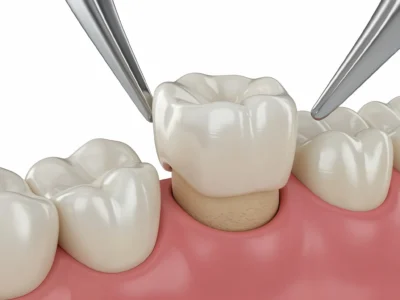
A crown covers and reinforces the visible part of the tooth above the gum line. Think of it less as a cap placed on a healthy tooth and more as a custom-made outer shell that protects what remains. Once cemented in place, it helps the tooth resist splitting forces and restores shape, contact with neighboring teeth, and chewing function.
This matters because a root canal tooth can fail in ways that are not obvious at first. Small fractures may start as a little tenderness when biting or a vague sense that the tooth feels “off.” A crown cannot guarantee the tooth will last forever, but it can significantly improve the odds when the case is appropriate.
A good crown also seals the rebuilt tooth. That seal is important. If bacteria get back in around a leaking restoration, the tooth can develop decay or reinfection. People sometimes think of the root canal as the definitive treatment and the crown as finishing work. Clinically, the restoration is part of the long-term success.
The timing surprises many patients
One common question is whether the crown happens the same day as the root canal. Sometimes it does, but often it does not. In many practices, the root canal is completed first, then the tooth is restored later by a general dentist. If the tooth has enough remaining structure, the opening may be sealed with a permanent filling for the short term. If the tooth is fragile, a core build-up may be placed sooner.
The interval between root canal and crown can vary. Sometimes it is a few days. Sometimes a couple of weeks. Delays happen because of scheduling, insurance approvals, travel, cost, or the need to let symptoms settle. Short delays are common and often manageable. Long delays are where risk creeps in.
A temporary filling is not designed to take months of hard chewing. The longer a vulnerable tooth sits without definitive protection, the greater the chance of fracture or leakage. Dentists often tell patients not to chew on that side until the crown is done, and this is not just a routine warning. It is practical advice based on how these teeth fail in real life.
What happens before the crown is made
If the root canal has just been completed, the next appointment usually starts with an evaluation of how much healthy structure remains. The dentist checks the margins, existing fillings, cracks, bite, gum health, and whether the tooth needs additional reinforcement inside.
Sometimes the tooth needs what is called a core build-up. That means the dentist rebuilds missing internal structure with filling material so the crown has a solid foundation. In some cases, a post is placed into one of the root canals to help retain that build-up. This is an area where patients can get confused. A post does not strengthen the root in the way many imagine. In fact, too large a post can weaken the tooth. Its main purpose is retention when there is not enough natural tooth left to hold the build-up securely.
This step is important because the crown is only as reliable as the tooth under it. A beautifully made crown on a weak foundation is still a weak situation.
The crown preparation appointment
For many people, this is the visit they dread more than the root canal, though it is usually simpler. The tooth and surrounding area are numbed. The dentist reshapes the outer surface of the tooth to make room for the crown material. If the tooth already has large missing areas, Dental Crowns part of this work may overlap with the build-up. The goal is to create a stable shape with enough clearance for the crown to fit naturally and withstand function.
Once the tooth is prepared, an impression or digital scan is taken. Modern digital scanners have made this part easier for many patients, especially those with a strong gag reflex, but traditional impressions are still used in some offices and work well when done carefully.
The dentist then chooses the shade if the crown will be visible when you smile. For a back molar, matching color matters less than strength and fit, but most people still want the tooth to look natural.
A temporary crown is usually placed if the permanent one is being made in a lab. The temporary is attached with softer cement so it can be removed later. It protects the prepared tooth, reduces sensitivity, and helps preserve spacing and gum contour.
Living with the temporary crown
Temporary crowns are useful, but they are not final restorations. They can feel a little bulkier or less polished than the permanent version. Mild sensitivity to temperature is common, as is a slightly different bite at first. Most people adjust quickly.
This is the period when common-sense caution matters most. Sticky foods can pull a temporary off. Hard foods can crack it. Flossing should usually be done by sliding the floss out to the side rather than snapping it back up through the contact, because that upward pull can dislodge the temporary.
The best advice during this short phase is simple:
- Chew on the opposite side when possible.
- Avoid sticky foods like caramel, gum, or chewy candy.
- Skip very hard foods such as ice, nuts, and hard crusts on that side.
- Call the office if the temporary comes off, cracks, or the bite feels high.
- Keep the area clean, even if it feels a little tender.
A temporary crown that comes loose is not always an emergency, but it should not be ignored. A prepared tooth can shift, become sensitive, or collect bacteria if it stays uncovered too long.
The final crown appointment
When the permanent crown is ready, the temporary comes off and the dentist tries in the final restoration. This is where details matter. The fit at the margin has to be precise. The contact with the neighboring teeth should be snug but not impossible to floss. The bite must feel even. If the crown is too high, the tooth can feel sore when chewing. If the contact is too open, food can trap there and irritate the gums.
Patients often focus on whether the crown looks right, which is understandable, especially for front teeth. Dentists also focus on hidden details that affect comfort and longevity. A well-fitting crown should feel natural fairly quickly. It may seem a little unfamiliar for a day or two, but it should not feel like a pebble in your mouth or make you avoid biting.
Once the fit is confirmed, the crown is cemented in place. Some cements are resin-based, some are more conventional, and the choice depends on the material and the clinical situation.
Choosing among crown materials
Patients are often offered options, and the names can blur together. Porcelain, zirconia, porcelain-fused-to-metal, ceramic. Each has strengths and compromises.
Zirconia has become popular because it is durable and works well for many back teeth. All-ceramic and porcelain crowns can provide excellent esthetics, particularly in the front of the mouth where translucency matters. Porcelain-fused-to-metal crowns have a long track record, though they can sometimes show a dark line at the gum margin over time.
The “best” material depends on location, available space, bite forces, and cosmetic priorities. A person who grinds heavily may not be a good candidate for the most delicate esthetic option on a molar. Someone restoring a front tooth may care much more about subtle color blending than maximum thickness and brute strength.
A useful discussion with the dentist usually covers these questions:
| Question | Why it matters | |---|---| | How visible is this tooth? | Front teeth often need stronger esthetic matching. | | How strong is my bite? | Heavy grinding can change the material choice. | | How much room is available? | Some materials need more thickness than others. | | What does the opposing tooth look like? | A restoration should work harmoniously with the tooth it bites against. | | What is my budget? | Material and lab choices can affect cost. |
Cost, insurance, and why estimates can vary
A crown after a root canal can feel expensive because it usually comes on top of a procedure you have already paid for. Fees vary widely by region, office, material, and complexity. There may also be separate charges for the build-up, post, X-rays, and temporary crown, depending on the practice and the insurance plan.
Insurance can help, but it does not always cover the full amount, and some plans have waiting periods, annual maximums, or alternate benefit clauses that change what they will pay for. It is worth getting a written estimate before treatment if cost is a concern. That conversation is easier before the work starts than after the claim is processed.
One practical point that gets overlooked is the cost of delay. Patients sometimes postpone a crown to spread out expenses, which is understandable. The risk is that the tooth fractures in the meantime, turning a restorable tooth into an extraction and replacement case. A single implant, bridge, or partial denture can cost far more than the crown that might have prevented the loss.
What recovery feels like
Most people do not have dramatic downtime after a crown appointment. The area may feel sore from the injection site, and the tooth can be mildly sensitive for a few days, especially if the gums were retracted during impressions or if the bite needed adjustment. Chewing tenderness that improves steadily is common. Sharp pain, persistent throbbing, or a bite that feels obviously too high is not something to “wait out” for weeks.
If the tooth had a root canal, you may wonder how it can hurt at all if the nerve is gone. The answer is that the tissues around the tooth still feel pressure and inflammation. A crown that is just slightly high can make the ligament around the root sore. This is usually easy to adjust, and patients are often surprised by how much better the tooth feels once the bite is corrected.
When to call the dentist after the crown is placed
A little awareness here prevents bigger problems later. Reach out if you notice persistent pain when biting, a crown that feels loose, a crack or chip, floss shredding between the teeth, or a gum area that stays swollen and irritated beyond the first week or two.
Bad taste or pressure around the tooth can also signal an issue, though not always. Sometimes it is food packing around a poorly contoured contact. Sometimes it is something deeper. The point is not to self-diagnose. It is to avoid letting a manageable problem linger until it becomes a complicated one.
How long dental crowns last after a root canal
There is no exact expiration date. Some crowns last well over a decade. Some fail sooner because of decay at the margin, fracture, poor fit, heavy grinding, gum disease, or problems in the underlying tooth. The quality of home care matters, but so does the starting condition of the tooth.
Root canal teeth can last a very long time with a good crown and regular maintenance. I have seen heavily restored molars still functioning many years later because the crown was placed promptly, the bite was balanced well, and the patient took the instructions seriously. I have also seen a tooth crack within months because it sat with a temporary filling too long while the patient kept chewing steak and nuts on that side.
Longevity is rarely about one dramatic event. More often, it comes down to a series of small decisions.
Caring for the crowned tooth day to day
A crown is not a free pass. The restoration itself cannot decay, but the natural tooth at its edges can. That is why plaque control along the gumline matters so much. If decay starts where the crown meets the tooth, the whole restoration may eventually need replacement.
Brush thoroughly, floss daily, and keep up with regular checkups. If you grind your teeth, wear the night guard if one has been recommended. This is one of those pieces of advice that sounds optional until you see what chronic grinding does to enamel, crowns, and jaw joints over time.
Be sensible with habits. Opening packages with your teeth, chewing ice, and constant hard candy use are all tougher on crowns than people think. Most crowns tolerate normal eating just fine. They are not designed for abuse.
Questions worth asking before you move forward
Patients often feel rushed because the tooth no longer hurts after the root canal, so the urgency seems to disappear. That is exactly when a few well-timed questions help most. Ask whether the tooth truly needs a crown or whether a bonded restoration is reasonable. Ask how much tooth structure is left. Ask if a build-up or post is necessary, and why. Ask what material the dentist recommends for your bite and location in the mouth. Ask how soon the tooth should be restored.
Good treatment planning is rarely about selling the biggest procedure. It is about matching the restoration to the tooth’s actual risk. Sometimes that means a crown without hesitation. Sometimes it means a more conservative option. What matters is the reasoning.
The bigger picture
A root canal and a crown are often two parts of the same rescue. One clears infection and pain. The other gives the tooth a realistic chance to stay functional. If your dentist recommends dental crowns after root canal treatment, the advice is usually based on the mechanical realities of that tooth, not just routine habit.
What patients tend to remember most is whether the process was worse than expected. In many cases, it is not. The appointments are usually manageable, the final result can feel very natural, and the crown often disappears into everyday life once it is adjusted and settled. The better question is not whether a crown is exciting or inconvenient. It is whether it gives a compromised tooth the support it needs to keep doing its job for years instead of months. On Dental Crowns that point, the right crown at the right time often makes all the difference.
Simple Dental Vermont
Address: 8914 S Vermont Ave, Los Angeles, CA 90044
Phone number: +13239493000
FAQ About Dental Crowns
How much do crowns cost per tooth?
In the United States, a single dental crown typically costs between $800 and $2,500 per tooth without insurance. The ultimate out-of-pocket price depends heavily on the crown material, the location of the tooth, and whether you have dental insurance coverage.
What is the downside of crowns on teeth?
The primary downside of a dental crown is that the procedure permanently removes natural tooth enamel to shape the tooth for the cap.
Why do dentists push for crowns?
Dentists recommend crowns because a large filling cannot provide enough strength when a tooth loses a major portion of its structure or faces heavy chewing pressure.